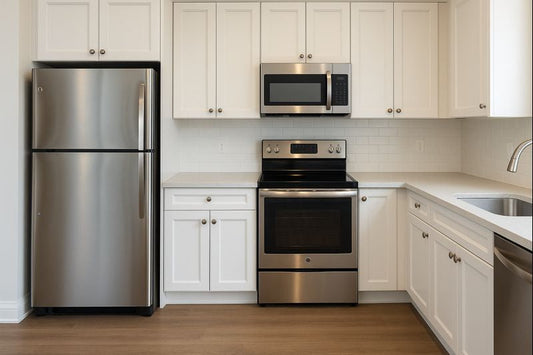
Best Durable Appliances for Rental Properties – A Landlord’s Guide
Choosing the right appliances for a rental property is about more than just picking the cheapest options. As a landlord, you want machines that can withstand daily use by tenants and require minimal maintenance. Durable, reliable appliances mean fewer breakdowns, fewer emergency call-outs, and happier tenants. They also protect your investment by lasting longer and keeping your property running smoothly. In short, spending a bit more time (and money) to select robust, easy-to-use appliances can save you a lot of hassle and expense in the long run.
This guide looks at each major appliance category – from fridge freezers and cookers to laundry machines and more – and explains what to look for. The focus is on reliability, ease of use, and overall value. Whether you’re furnishing a new flat in Wirral or upgrading an existing rental house, these tips will help you select tenant-friendly appliances that serve you well for the long run.
Landlord Priorities for Rental Appliances
Landlords and letting agents have specific priorities when selecting appliances for tenanted homes. The goal is to balance cost, durability, and convenience. Keep these top priorities in mind:
-
Reliability and Durability: Choose appliances built to last. They should handle frequent use (and occasional misuse) without constant breakdowns. Sticking to reputable, common brands (with available spare parts and service support) will also ensure any repairs can be done quickly.
-
Ease of Use: Simple, intuitive controls are a must. Tenants should be able to operate the cooker, washer, or heater easily, without needing a manual for basic functions.
-
Affordability and Value: Avoid ultra-cheap units that might fail in a year. It’s often better to spend a little more on a model that will last several years. Consider the total cost of ownership (purchase price plus likely repair/replacement costs), not just the initial price tag.
-
Energy Efficiency: Efficient appliances (with high energy ratings) keep electricity bills lower. Even if tenants pay their own bills, energy-efficient fridges, ovens, and washers are a selling point and help future-proof your property against stricter energy standards.
Keeping these priorities in focus will guide you toward appliance choices that make both you and your tenants happy. Now, let’s explore each major appliance category and what to look for when selecting durable, tenant-proof models.
Fridge Freezers
The refrigerator is a vital appliance that runs 24/7, so you need one that’s reliable and low-maintenance. Consider these points when choosing a fridge freezer for your rental:
-
Frost-Free Function: Opt for a frost-free fridge freezer (also known as no-frost). This prevents ice build-up in the freezer, meaning tenants won’t need to manually defrost it. It keeps the appliance efficient and hassle-free.
-
Solid Build & Size (Freestanding Preferred): Choose a fridge freezer with strong door hinges, sturdy shelves and a capacity that matches the household. If possible, opt for a freestanding model – it's easier to replace and usually roomier inside than an integrated unit.
-
Keep it Simple: Avoid models with fancy extras like plumbed water dispensers, ice makers, or internet connectivity in a rental. These add complexity and points of failure (for example, water filters to change, electronics to potentially malfunction). A straightforward fridge freezer with good performance is the safest bet for durability and ease of use.
Electric Cookers and Ovens
Kitchen appliances must be safe, sturdy, and easy for tenants to use. Many landlords prefer electric cookers/ovens for rentals. Here’s what to look for:
-
Electric vs Gas: Electric cookers are generally safer and simpler for rentals – no open flame, no gas leaks, and no annual safety checks required. If you do opt for gas appliances, you must arrange yearly Gas Safe inspections by law.
-
Durable Hob Surface: Choose a cooker with a ceramic glass hob or an induction hob. They have smooth surfaces that are easy to wipe clean and look modern. In contrast, old solid-plate hobs tend to get grubby and heat slowly. Induction hobs are an excellent, energy-efficient choice if budget allows (tenants will need compatible pans).
-
Fan Oven with Self-Cleaning: An electric fan oven cooks food evenly, which helps tenants get good results and prevents complaints about “hot spots” in the oven. For longevity and easy turnover, look for self-cleaning features like pyrolytic cleaning (which burns off grease to ash) or catalytic liners that absorb spills. These features save a landlord or tenant from heavy scrubbing and keep the oven interior in good condition between tenancies.
-
Straightforward Controls: Make sure the oven and hob controls are user-friendly and robust. Classic knobs or simple push-button timers are ideal. Avoid complex digital touchscreens that might confuse users or fail. Tenants should be able to set the temperature or hob heat without fuss. Durable knobs and clearly marked settings will stand up better to regular use.
-
Size and Installation: Make sure to get the right size cooker for the space (e.g., use a 60 cm cooker for a 60 cm gap). A separate grill or double oven is a bonus, as it lets tenants cook multiple dishes at once. And for safety, have any new cooker installed by a qualified professional.
Washing Machines
Washing machines in rentals see a lot of use – and abuse. A sturdy washer can save you from emergency repair calls. Consider the following when buying a washing machine:
-
Buy Quality: Invest in a reputable brand known for reliability. It’s worth paying a bit more upfront for a machine that will last. Many well-known brands also come with 2+ year warranties, adding peace of mind. Avoid the absolute cheapest no-name washer, as it might give up after a year of heavy use.
-
Appropriate Drum Size: Choose a drum capacity that suits your property. A tiny 5 kg washer will struggle in a family rental or shared house. A 7–9 kg drum is more appropriate for multiple people – it can handle bedding and big loads without over-stressing the machine.
-
Efficient Performance: Look at spin speed and energy rating. A faster spin (1200–1400 rpm) leaves clothes drier, so tenants won’t have dripping laundry hanging around (important if there’s no dryer). High energy and water efficiency ratings indicate a modern machine that’s cheaper to run and often better built.
-
Simple Programs: A machine with an easy dial or a few clearly labeled buttons for common cycles (cottons, synthetics, quick wash) is ideal. Too many complex settings can lead to incorrect use or frustration. Tenants should be able to find a basic wash cycle without confusion.
-
Maintenance Matters: Choose a washer with an accessible filter for removing coins and lint – cleaning this periodically prevents breakdowns. Also ensure the hoses and seals are good quality to avoid leaks.
(Tip: Washer-dryer combo machines are convenient for space, but they typically wear out faster and only dry small loads. If space allows, a separate dryer is usually more durable and effective.)
Dishwashers
A dishwasher is an attractive amenity for many renters, especially in family homes or upscale flats. If you include one, make sure it can stand up to frequent use:
-
Size Fit for the Kitchen: Decide between a full-size (60 cm) dishwasher and a slimline (45 cm) model based on space and household size. A full-size dishwasher is ideal for a typical family or 3-4 sharers. Slimline units suit small kitchens or couples; they hold fewer dishes, but are better than no dishwasher at all in a tight space.
-
Freestanding vs Integrated: For rentals, a freestanding dishwasher is usually more practical. It’s easier and cheaper to install or replace. Integrated dishwashers (hidden behind a cabinet door) look neat but cost more and are fiddlier to swap out if they break. Unless the kitchen design demands an integrated unit, a freestanding model in a neutral finish will fit in fine and be simpler to service.
-
Build Quality: Look for a model with a stainless steel interior tub (which lasts longer and resists odours) and robust racks. Check that the spray arms and door hinges are sturdy. A solidly built dishwasher from a reliable brand will handle daily loads without trouble. Very cheap models might have flimsy parts that clog or break, so aim for mid-range or better.
-
User-Friendly Features: Ensure it has the essential wash programs (normal, eco, intensive) without too many unnecessary extras. Simpler controls mean tenants are more likely to use it correctly. Also, consider models with anti-flood features (like an aqua stop hose or leak sensor) to prevent water damage in case of a leak. Remind tenants to keep the filter clean; a design with an easily removable filter is helpful for maintenance.
Tumble Dryers
Providing a tumble dryer can be a big plus for tenant comfort, especially in apartments with no outdoor space to dry clothes. To choose a dryer that lasts:
-
Vented or Condenser (or Heat Pump): Vented dryers exhaust moist air outside via a hose; they are simple and usually dry faster, but you need a vent hole or window nearby. Condenser dryers collect water in a tank or drain it out, so they can go anywhere – just remember someone needs to empty the tank if it isn’t plumbed in. Heat pump dryers are a type of condenser that use less electricity by reusing heat; they’re very efficient and gentle on clothes, but have a higher upfront cost. Vented dryers have fewer parts to go wrong, but if venting isn’t possible, choose a quality condenser dryer (or a heat pump dryer for maximum efficiency).
-
Capacity and Space: Match the dryer capacity to the washing machine (typically 7–9 kg for a household). If space is limited, you might stack the dryer on top of the washer – just use a proper stacking kit for stability. Slimline dryers are not common, so ensure you have room for a standard 60 cm wide unit.
-
Maintenance: Choose a dryer with easy-to-clean filters. Lint buildup is a fire hazard and can strain the machine, so tenants should be able to quickly clear the lint filter (usually inside the door). Some condenser dryers also have secondary filters or condenser units that need occasional cleaning – these should be accessible. A dryer with auto-sensor drying (stopping when clothes are dry) will save energy and wear on the machine. A well-maintained dryer will last longer.
Microwaves and Small Appliances
Even smaller appliances can make a difference in a furnished rental. A microwave oven is expected in many properties – choose a mid-sized, simple model (around 20L, 800–1000W) with straightforward controls. There’s no need for fancy multi-function microwaves; basic and reliable is best. For items like kettles and toasters, stick to safe, reputable brands (auto shut-off kettles, sturdy toasters with crumb trays). These should be durable enough to last through multiple tenancies. If you provide a vacuum cleaner, invest in a robust model such as the famous Henry cylinder vacuum, which is known to last for years and is easy to service. Tenants are more likely to keep the place clean if the tools provided are effective and user-friendly.
Practical Buying Tips for Landlords
To wrap up, here are some general tips when shopping for appliances for your rental property:
-
Think Long-Term, Not Just Upfront Cost: Avoid bargain-basement appliances that are likely to fail early. Spending a bit more on a reliable model will save money over time (fewer replacements and repair calls). Think about lifespan and reliability ratings, not just the initial price tag.
-
Measure Spaces and Access: Before buying, double-check the measurements of the space and the appliance. Ensure it fits through doorways and into its spot in the kitchen or utility area. Standard sizes make life easier – for example, use a 60 cm wide cooker for a 60 cm gap. Taking careful measurements prevents costly mistakes and returns.
-
Prioritise Energy Efficiency: All else being equal, choose the appliance with a better energy rating. Modern appliances have labels from A down to G (in the new UK/EU rating system). Efficient fridges, washing machines and dishwashers use less power (and water), which helps tenants save on bills and is better for the environment. This is a strong selling point and helps future-proof your property.
-
Plan for Maintenance: Keep appliance manuals and warranty info in a file for each property. That way, if something breaks, you have the model details on hand for repairs. Encourage tenants to inform you of issues early – a small fix can prevent a larger failure. During routine inspections, check appliances for any signs of wear or small leaks to catch problems early.
By following these tips, you’ll make smarter purchases that reduce long-term costs and keep your tenants satisfied. Durable, user-friendly appliances contribute hugely to a smoothly run rental property.
Choosing durable, easy-to-maintain appliances is one of the best investments you can make in your rental property. Reliable fridges, cookers, and laundry machines keep tenants happy and greatly reduce the risk of mid-tenancy emergencies. Fewer appliance problems mean lower costs and less stress for you as the landlord.
For landlords in the Wirral area, Grange Electrical offers local supply, installation and repair services for home appliances. With decades of experience, they can guide you toward the most robust models and ensure they are fitted correctly. By consulting experts and prioritising quality, you’ll furnish your rental with appliances that stand the test of time – keeping your tenants happy and your property running smoothly.